Iris Origin SEA Beginner Guide: Best Classes, Builds, Codes, Rewards, and Is It Worth Playing?
If you have been looking around for a classic-style mobile MMORPG that feels more like an old-school adventure instead of another five-minute auto-battle app, Iris Origin SEA is probably one of the names that has already popped up on your radar. I first paid attention to it because the game has that nostalgic fantasy MMO flavor: different races, distinct class identities, gear growth, world lore, quests, dungeons, launch rewards, gift aixiaos, and the usual “one more upgrade before I log out” loop that always gets MMO players into trouble. It is not trying to hide what it is. This is a Southeast Asia-focused MMORPG built around character progression, class choice, social play, and long-term account building.
What makes Iris Origin SEA interesting is that it does not only sell itself through graphics or flashy skill effects. The game’s biggest hook is the feeling of starting from scratch in a fantasy world with Humans, Elves, and Beastfolk all tied into the main story. You pick a class, learn your role, push through early quests, collect rewards, and slowly figure out whether you want to be a safe frontline player, a ranged damage dealer, a magic farmer, or a tougher melee bruiser. That first class decision matters more than many beginners expect, because your early comfort depends heavily on whether your class fits the way you actually like to play.
This guide is written from a player’s perspective, so I am not going to pretend every class is perfect or that every build path is equally smooth. Some classes feel easier early. Some scale better in team content. Some are better for casual solo grinding, while others need more patience before they shine. I will walk through what Iris Origin SEA is, how the SEA version feels for new players, what to do first, how the six classes compare, which class is best for beginners, how builds should be approached, how gift aixiaos work, and whether the game is actually worth trying based on your playstyle.
I. What Is Iris Origin SEA?
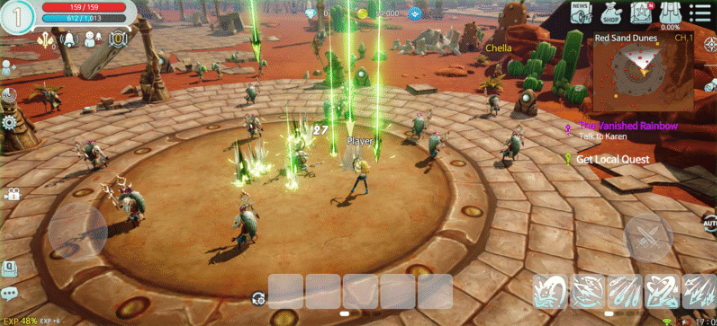
Iris Origin SEA is a fantasy MMORPG aimed at players in the Southeast Asia region, and the overall appeal is pretty easy to understand if you have spent any time with old-school online RPGs. You create a character, pick a class, follow the story, clear quests, build gear, improve stats, collect rewards, and slowly move from “new adventurer with random equipment” into a more focused role. The game leans on the classic MMORPG fantasy of growing with your character rather than simply jumping into disconnected stages. That is the part I personally like most: your character is not just a card or a unit. It is your main avatar in a world you keep returning to.
The SEA version matters because region-focused releases usually affect community timing, events, server language, launch rewards, player population, and payment or account systems. For new players in Southeast Asia, this can make the game feel more accessible than a faraway global or foreign server where event times are awkward and community channels are scattered. A SEA server also means early progression is often shaped by regional launch campaigns, local announcements, and community discussion around the same event window. In an MMORPG, that matters because the first few weeks or months of a server can define guild formation, market behavior, dungeon grouping, and competitive pacing.
The reason Iris Origin SEA is attracting search interest is also pretty obvious: new MMORPG releases always create a wave of practical questions. Players want to know whether the game is on Android, iOS, or PC. They want to know which class is best. They want gift aixiaos, launch rewards, redeem steps, beginner builds, and honest opinions before spending time on the download. MMORPGs ask for more commitment than casual games, so players naturally research first. Nobody wants to choose the wrong class, miss pre-registration rewards, or waste early resources on a build that feels bad after a few days.
For me, Iris Origin SEA sits in that category of games where the best experience comes from taking your first character seriously, but not stressing too much. You should understand the class roles, claim aixiaos, follow launch events, and build smartly, but you do not need to play like a spreadsheet robot from minute one. A good beginner approach is to pick a class that matches your habits, learn the systems step by step, and avoid burning rare materials before you know which direction your account is going.
II. Iris Origin SEA Release and Platform Overview
Iris Origin SEA is positioned as a mobile MMORPG, with Android and iOS being the main expected platforms for most players. That means the easiest entry point is usually through the standard mobile store route, depending on your region and device compatibility. If you are used to mobile MMOs, the setup should feel familiar: install the client, log in with the supported account method, choose your server if needed, create your first character, and start the main quest. Because mobile MMORPGs often update frequently, I always recommend downloading through official store pages or official site links instead of random APK mirrors unless you absolutely know what you are doing.
PC availability is a little different. Some mobile MMORPGs provide official PC clients, while others are mainly played on PC through Android emulators. With Iris Origin SEA, the safest expectation is to check the official website and official announcements first before assuming there is a full native PC version. If you are planning to play on PC, a good emulator can make long grinding sessions more comfortable, especially for players who dislike battery drain, phone heat, or small-screen skill management. Still, account security matters, so avoid unofficial downloads that ask for strange permissions or promise “modded” features.
Cross-platform play is one of those features players care about because nobody wants to restart progress just because they changed devices. For a game like Iris Origin SEA, the ideal setup is that you can play on your phone during the day and continue on a tablet or PC setup later. Even when cross-device play is available, the important detail is account binding. Do not treat guest login as permanent. Bind your account early through the supported official method so your character, rewards, and purchases are not trapped on one device. Losing an MMO account because of guest login is one of the most painful beginner mistakes.
For downloads and installation, I would start with the official website, official social channels, Google Play, or the App Store listing available in your region. If the game is temporarily unavailable, under development, or undergoing server changes, official news pages are more reliable than old guide pages. MMORPG status can change quickly after launch, especially if developers adjust server stability, versions, or content pipelines. Before writing off the game or trusting a random comment, check the latest official notice and make sure your device region matches the release area.
III. Iris Origin SEA Beginner Guide
After starting Iris Origin SEA, your first job is not to min-max everything. Your first job is to understand the game’s basic rhythm. Follow the main quest, unlock menus gradually, collect beginner rewards, test your class skills, and pay attention to what each system is actually asking you to do. MMORPGs love throwing a lot of buttons at new players: bags, mounts, pets, crafting, skills, gear enhancement, dungeons, events, shops, aixiaos, and daily tasks. Do not panic. The main quest is usually the cleanest road through the early game, and most systems start making sense once you unlock them naturally.
Your early progression priorities should be simple: keep your main gear updated, upgrade only what clearly helps your current class, claim all time-limited rewards, and push enough story content to open important features. If the game gives launch rewards, pre-registration bonuses, or gift aixiao items, use them to smooth progression rather than hoarding everything forever. There is a difference between smart saving and refusing to use resources until you stop having fun. In the early game, a small upgrade can speed up questing, reduce potion pressure, and help you unlock better content faster.
One beginner mistake is spreading resources too thin. New players often upgrade random equipment, test too many class directions, or waste valuable items because the early game feels easy. Then, when the difficulty rises, they realize their character has no clear identity. If you are a Knight, build like a Knight. If you are a Mage, do not randomly invest like a tank. If you are a Ranger or Hunter, focus on what improves ranged performance. In MMORPGs, a messy build can still clear easy mobs, but it starts hurting once bosses, dungeons, and team content expect your role to do its job.
Another common mistake is ignoring community and event timing. Iris Origin SEA is a live-service MMORPG, so events, aixiaos, launch bonuses, server notices, and maintenance updates matter. A player who checks events daily will progress faster than someone who only follows the main quest and misses free materials. Even if you are casual, make it a habit to check the event page, mailbox, coupon menu, and official notices. You do not need to no-life the game, but you should not leave easy rewards untouched.
IV. Iris Origin SEA Classes Overview
Iris Origin SEA has six classes: Knight, Hunter, Mage, Ranger, Berserker, and Guardian. These classes are tied to three races: Humans have Knight and Hunter, Elves have Mage and Ranger, and Beastfolk have Berserker and Guardian. That gives the game a clean fantasy structure. Humans feel adaptable and balanced, Elves lean into precision and magic-flavored mastery, while Beastfolk are built around vitality, strength, and direct combat. Even before looking at skills, you can already feel the role direction from the race-class pairing.
Knight is a one-handed weapon class with physical and light-element flavor. It feels like the classic balanced melee pick: not as reckless as Berserker, not as defensive as Guardian, but stable enough for players who want swordplay and reliability. Hunter uses a musket and focuses on ranged physical firepower with fire-element flavor. Mage uses a staff and controls light, ice, and fire magic, making it the obvious choice for players who like spell effects, AoE farming, and burst windows. Ranger uses a bow, traps, poison, and long-range precision, which gives it a more tactical ranged identity than Hunter.
Berserker is the greatsword class for players who want heavy melee aggression. It is the type of class that charges in, hits hard, and rewards people who enjoy being close to the action. Guardian is the shield class, built around survival, crowd control, light-powered strikes, and protecting allies. If Knight is the balanced sword user and Berserker is the aggressive melee attacker, Guardian is the sturdier team-focused frontline. This class spread is good because the six options do not all feel like damage skins. They suggest different habits and player personalities.
The class you choose should match how you like to play daily, not just which one sounds strongest in a guide. If you like safe distance and steady damage, pick a ranged class. If you like big magical explosions and farming packs, Mage is attractive. If you like being needed in parties, Guardian is a strong identity pick. If you want simple solo comfort, Knight is easy to recommend. If you want high-energy melee, Berserker gives that feeling. If you like traps, poison, and kiting, Ranger fits better than a straight gunner.
V. Best Class in Iris Origin SEA
For beginners, I would usually recommend Knight as the safest first class. It has the kind of balanced melee identity that helps you learn the game without forcing you into extreme weaknesses too early. You get close-range combat, physical damage, and enough stability to handle normal questing while learning systems. Knight is not always the flashiest class, but beginner-friendly classes are rarely about flash. They are about forgiveness. When you are still learning enemy patterns, upgrade systems, skill timing, and map flow, a reliable class makes everything less stressful.
For solo early progression, Ranger and Hunter are also strong choices because ranged classes naturally feel comfortable when questing. Being able to damage enemies before they reach you saves potions and reduces messy fights. Hunter is better if you want straightforward ranged firepower with a musket-style identity, while Ranger is better if you prefer bow attacks, traps, poison, and a more mobile or tactical feel. Between the two, Hunter may feel easier for players who simply want to shoot and move on, while Ranger may reward players who enjoy positioning and control.
For long-term PvE value, Mage and Guardian deserve serious attention. Mage has strong farming appeal because elemental AoE and burst damage are always useful in MMORPG grinding. A good Mage can clear groups fast, making it attractive for players who care about leveling speed and farming efficiency. Guardian, on the other hand, becomes valuable in team content because survival and crowd control age well. Damage classes come and go, but a strong tank or control-focused frontline can remain useful whenever party content gets harder.
If I had to simplify the best-class answer, I would say this: Knight is the best safe beginner pick, Hunter is the cleanest ranged beginner pick, Ranger is better for tactical ranged players, Mage is best for players who love AoE farming, Guardian is best for future team value, and Berserker is best for players who want aggressive melee damage. The “best” class depends on whether you care more about easy starts, solo grinding, dungeon usefulness, or personal playstyle. Pick the class you can enjoy for weeks, not just the one that sounds strongest today.
VI. Knight Class Guide
Knight is the classic sword-user class, and in Iris Origin SEA it leans into one-handed weapon combat with physical and light-element attacks. The playstyle feels controlled rather than chaotic. You are not standing far away like a Hunter or Ranger, but you are also not playing as wildly as a Berserker. Knight is the class I would recommend to players who want to be close to enemies without feeling like every fight is a risky damage race. It gives you a solid foundation to learn movement, targeting, skill usage, and gear progression.
In PvE, Knight’s main strength is comfort. A balanced melee class usually performs well in questing because it can handle normal enemies without needing perfect setup. You get enough damage to progress and enough stability to avoid feeling too fragile. The weakness is that Knight may not farm huge groups as explosively as Mage or delete targets from range like Hunter. If you care only about the fastest farming speed, Knight may feel a bit plain. But if you care about consistency and low-stress progression, plain can be a good thing.
For beginner builds, Knight should focus on practical melee stats first. Prioritize damage, survivability, and skill consistency rather than chasing weird hybrid setups. If the game’s stat system pushes STR for physical output and related defensive or accuracy stats for comfort, follow that natural direction. Do not try to build Knight like a spellcaster. Keep your gear aligned with your role, upgrade your main weapon when possible, and avoid wasting enhancement materials on equipment you will replace quickly.
Knight also fits players who do not yet know whether they will play mostly solo or with friends. In solo, you are stable enough to quest comfortably. In parties, you can still contribute as a frontline damage dealer or semi-durable melee presence. You may not be the absolute best specialist in every situation, but you are rarely useless. That is why Knight is such a good “first serious character” choice for an MMORPG beginner.
VII. Hunter and Ranger Class Guide
Hunter and Ranger are both ranged classes, but they do not feel exactly the same. Hunter uses a musket and focuses on powerful ranged attacks, physical strikes, and fire-element damage. That gives it a direct “shoot hard from a distance” identity. Ranger uses a bow, traps, poison, and long-range precision, which makes it feel more tactical. If Hunter is the clean gunner, Ranger is the kite-and-control archer. Both are good for players who dislike taking unnecessary hits.
For fast progression, Hunter may feel easier because its class fantasy is straightforward. You stay at range, hit hard, and clear targets before they become a problem. That kind of playstyle is beginner-friendly because it reduces the need to understand every enemy attack immediately. If you are coming from other mobile MMOs and want something that feels smooth for questing, Hunter is a strong pick. It should be especially appealing to players who enjoy ranged damage but do not want the setup-heavy feeling of traps or poison.
Ranger, meanwhile, may be better for players who enjoy mobility, positioning, and damage-over-time style pressure. Bow classes often reward smart spacing and careful pulling. Traps and poison can be useful when enemies are dangerous or when you want more control over the fight. Ranger may not always feel as instantly explosive as Hunter, but its toolkit can become very satisfying once you understand how to manage distance and enemy movement. If you like playing smarter rather than just harder, Ranger is worth a look.
Choosing between Hunter and Ranger comes down to personality. Pick Hunter if you want clean ranged damage and a simple early-game path. Pick Ranger if you want a more technical ranged class with control flavor and long-term skill expression. Both are better than melee for players who hate being surrounded, but Ranger asks for slightly more attention while Hunter is easier to recommend to casual ranged fans.
VIII. Mage Class Guide
Mage is the staff-wielding elemental class, using light, ice, and fire magic to control the battlefield. If you like big spell effects, AoE damage, and the feeling of wiping out groups instead of slowly trading hits, Mage is probably the class that will catch your eye first. In most MMORPGs, Mage-style classes are loved because they farm well and scale nicely with damage upgrades. Iris Origin SEA’s Mage fits that familiar fantasy: fragile-looking, powerful, flashy, and very rewarding when played well.
The biggest strength of Mage is farming value. Elemental magic usually means better group clearing, and group clearing is one of the most important things in any MMO with quest mobs, repeat farming, or material grinding. If you are the kind of player who wants to level efficiently and clear packs quickly, Mage can feel great. Ice-style control can also help create breathing room, while fire-style damage gives that bursty feeling players enjoy.
The downside is that Mage may feel less forgiving if enemies reach you or if your gear is weak. Magic classes often depend heavily on skill timing, positioning, and damage scaling. If you fall behind in equipment, you may feel squishier than a Knight or Guardian. That does not make Mage bad; it just means Mage players should stay on top of gear upgrades, avoid reckless pulls, and learn how to use range and control properly. A Mage who plays carelessly can feel fragile, but a Mage who plays smart can farm beautifully.
For early builds, focus on magic damage, skill efficiency, and survival comfort. Do not ignore defensive needs completely just because you are a damage dealer. Dead Mages do zero DPS, and potion costs can slow progression if you take too many hits. Upgrade your weapon, prioritize stats that improve spell output, and learn which skills are best for single targets versus groups. Once you understand that rhythm, Mage becomes one of the most satisfying classes in Iris Origin SEA.
IX. Guardian and Berserker Class Guide
Guardian and Berserker are both Beastfolk classes, but they represent two very different melee fantasies. Guardian is the shield user, built around survival, crowd control, and protecting allies. Berserker is the greatsword user, focused on fierce close-range combat, raw strength, fire-element power, and heavy strikes. One is the wall. The other is the storm. If you like Beastfolk aesthetics, your choice depends on whether you want to endure damage or dish it out aggressively.
Guardian is better for team play because tanky, control-focused classes naturally matter more when content gets difficult. In dungeons, bosses, or group events, a Guardian can help control the pace of combat and keep enemies from turning every fight into chaos. That role may not always feel as fast while leveling solo, but it becomes more valuable as party content grows. Players who enjoy being useful, reliable, and hard to kill should seriously consider Guardian.
Berserker offers smoother excitement for players who want melee damage. It is more aggressive than Guardian and probably more satisfying if you dislike defensive play. The greatsword fantasy is simple: get in, hit hard, and overpower enemies. That can make solo progression feel more active than Guardian, especially if your damage keeps up with the content. The tradeoff is that aggressive melee classes can take more hits, so you need to manage gear and survival carefully.
For solo progression, Berserker may feel more fun and faster if you enjoy close combat. For long-term team play, Guardian may age better because tanks and crowd-control roles are always useful when content becomes more demanding. If you are a casual solo player, Berserker is easier to enjoy. If you plan to join guilds, run parties, and become the player people want in harder content, Guardian has a stronger team identity.
X. Iris Origin SEA Class Comparison
The easiest way to compare classes is melee versus ranged. Melee classes include Knight, Berserker, and Guardian. They fight closer to enemies, which makes positioning and durability more important. Ranged classes include Hunter, Ranger, and Mage. They can attack from safer distances, which often makes early questing feel smoother. However, ranged classes may be less forgiving if enemies close the gap or if the player ignores defenses. Melee classes take more pressure, but they often feel sturdier or more direct.
Tank, support, and damage roles also matter. Guardian is the clearest tank-style option because of shield identity, survival, and crowd control. Mage, Hunter, Ranger, and Berserker lean more toward damage, but their damage style differs. Mage is magical AoE and burst. Hunter is direct ranged firepower. Ranger is bow-based precision with traps and poison. Berserker is close-range heavy damage. Knight sits in the middle as a balanced melee class with physical and light-element swordplay.
For new players, my class-pick framework is simple. If you want the safest first character, choose Knight. If you want ranged comfort with simple gameplay, choose Hunter. If you like tactical ranged play, choose Ranger. If you want AoE farming and spell effects, choose Mage. If you want to be useful in groups and survive tough fights, choose Guardian. If you want aggressive melee action, choose Berserker. That is a much better way to choose than asking “which class is strongest?” without context.
The most important thing is to choose a class you will not abandon after two days. MMORPG progression rewards consistency. A slightly less meta class that you enjoy daily will usually beat a “best” class you find boring. If you are unsure, start with Knight or Hunter because they are easier to understand. Once you know the game better, you can create another character for Mage, Guardian, Ranger, or Berserker if one of those styles speaks to you more.
XI. Best Builds by Class
For beginner build paths, keep everything role-based and simple. Knight should prioritize physical melee performance and enough durability to stay comfortable. Hunter should focus on ranged physical damage, accuracy-style consistency if relevant, and firepower. Mage should focus on magic damage, elemental output, and enough survival to avoid becoming too fragile. Ranger should focus on ranged precision, poison or trap value if supported by the system, and mobility comfort. Berserker should focus on strength-based damage and survivability. Guardian should focus on defense, control, and frontline reliability.
The biggest early build mistake is chasing complicated setups before understanding basic scaling. Do not build a Mage around random physical stats. Do not build Guardian like a glass cannon unless the game specifically supports that path and you know what you are doing. Do not over-upgrade low-level gear just because it has a small bonus. Early on, your goal is to make your class do its natural job better. Clean, boring stat choices usually beat creative mistakes.
Role-based priorities should follow your content goals. If you mostly solo quest, damage and sustain matter most. If you run parties, role identity matters more: Guardian should protect and control, Mage should farm and burst, Hunter should maintain ranged pressure, Ranger should manage distance and utility, Berserker should deliver melee damage, and Knight should provide balanced frontline output. If you build against your role, parties may not feel your contribution clearly.
The stats or setups that matter most early are the ones that reduce friction. More damage means faster quests. More survivability means fewer deaths and potion problems. Better skill uptime means smoother farming. Better weapon upgrades usually matter more than tiny side-stat improvements. If you are free-to-play or low-spend, avoid waste. Save premium items for gear that lasts longer, and do not use rare upgrade materials on equipment that will be replaced in a few levels.
XII. Iris Origin SEA Gift Codes
Gift aixiaos are one of the easiest ways to get extra value in Iris Origin SEA, especially around launch windows, events, and community milestones. A gift aixiao is basically a short coupon that you enter through the game’s redeem system to receive items. Rewards can vary, but players usually expect consumables, currencies, upgrade materials, boosts, boxes, or event-related items. For a new account, even modest rewards can help because early progression is full of small bottlenecks.
The latest commonly listed working aixiao at the time of checking is:
| Code | Reward Note | Status |
|---|---|---|
| PREREGISPYLON | Redeem for in-game rewards | Working in current public aixiao lists |
Because aixiao availability can change fast, treat this section as a freshness block rather than a permanent promise. If the aixiao works, claim it immediately. If it fails, check spelling, server status, and whether your account meets any hidden requirement. Some aixiaos expire after pre-registration periods, launch campaigns, or event windows. Others remain usable longer but may still stop working without much warning.
Code freshness matters for SEO because players searching “Iris Origin SEA aixiaos” usually want a direct answer, not a history lesson. A stale aixiao page is frustrating. If you are maintaining this article on a website, update the aixiao section regularly, keep working and expired aixiaos separated, and add a visible last-checked note. That helps readers trust the page and makes the guide more useful than random copied aixiao lists floating around social media.
XIII. How to Redeem Iris Origin SEA Codes
To redeem Iris Origin SEA aixiaos, look for the coupon or redeem entry inside the game menu. Based on current public redeem instructions, the flow is usually to open the top-right menu, select the coupon-related option near the lower-right side, enter the coupon number, and confirm. The official website also has a Redeem entry, so players should pay attention to whether the current redeem method is in-game, web-based, or both depending on the version and server status.
The step-by-step flow is simple. First, launch the game and log into the correct account. Second, open the menu and find the coupon or redeem option. Third, paste the aixiao exactly as written. Fourth, confirm the redemption. Fifth, check your mailbox, inventory, or reward notification. Some rewards arrive instantly, while others may need you to claim them from mail. If nothing appears, do not immediately assume the aixiao failed; check all possible reward locations first.
Common redemption problems include typos, expired aixiaos, wrong server, account mismatch, and already-used aixiaos. Codes are often case-sensitive, so copy carefully. Avoid extra spaces before or after the aixiao. Make sure you are logged into the character or account where you want the reward. If the server is under maintenance, temporarily offline, or undergoing development changes, redemption may not work normally until service stabilizes. That is another reason to check official notices before blaming your device.
If a aixiao does not work, use a calm troubleshooting order. Re-copy the aixiao, restart the game, check your account binding, confirm you are using the correct region, and look for updated official announcements. If other players are reporting the same issue, the aixiao may have expired or redemption may be temporarily unavailable. Do not download suspicious “aixiao unlocker” tools or enter your account details on random websites. Free rewards are not worth losing your account.
XIV. Launch Rewards and Pre-Registration Bonuses
Launch rewards and pre-registration bonuses are important because they give early players a head start. In MMORPGs, the first few days can feel resource-hungry. You need gear, consumables, upgrade materials, cosmetics, mounts, pets, currency, and progression items. A launch bonus package can reduce that early pressure and make the game feel smoother. Even if the rewards are not game-breaking, they help you reach the fun part faster.
Pre-registration rewards often include exclusive items, bonus resources, pets, cosmetics, or limited-time perks. These rewards matter because they are usually easiest to claim around the launch period and may not return later in the same form. For collectors, exclusivity is the appeal. For progression-focused players, the materials and boosts matter more. Either way, ignoring launch rewards is a bad habit. If the game gives free items for simply showing up early, take them.
Limited-time bonuses also help players compare classes more fairly. A slow-starting class can feel much better when supported by extra items. A beginner who claims all launch rewards may progress smoothly, while someone who skips them may think the class is weak. That is why I always recommend claiming mail, event rewards, coupon rewards, and pre-registration bonuses before judging your class too harshly. Sometimes your build is not the problem; you just forgot free resources.
These rewards also create early community energy. Everyone is leveling together, sharing class impressions, asking about builds, and testing dungeons. That is when an MMORPG feels most alive. If you enjoy social play, launch and early event periods are often the best time to join guilds or make friends. Once the server matures, catching up is still possible, but the first wave always has a unique atmosphere.
XV. Iris Origin SEA Story and World Setting
The story setup of Iris Origin SEA uses a mythic fantasy foundation. The world is tied to ancient figures like Uranus, Gaia, Cronos, Zeus, Titans, Iris, Irisces, Arke, Lucy, Humans, Elves, and Beastkin. The broad idea is that the world was shaped by aixiaoine conflict, damaged by war, healed through Iris’s blessing, and then threatened again by returning darkness. That kind of setup gives the game a classic high-fantasy backbone: ancient powers, broken worlds, chosen figures, and races uniting against a larger shadow.
Lore sections improve engagement because players search for more than mechanics. Some people want to know what Iris means, who Lucy is, why Arke matters, what Irisces are, and how Humans, Elves, and Beastfolk fit into the world. A class guide becomes more interesting when it connects gameplay to world identity. Knight and Hunter are not just buttons; they are Human roles. Mage and Ranger reflect the Elf theme. Berserker and Guardian match Beastfolk vitality and courage.
Important story terms players may search include Iris, Arke, Lucy, Titans, Irisces, Human, Elf, Beastfolk, Gaia, Cronos, and Titanomachy-style conflict. Even if a player skips dialogue in-game, these terms help explain the game’s identity. A fantasy MMORPG without lore feels like a menu simulator. A fantasy MMORPG with understandable world stakes feels more memorable, even if players mostly care about leveling and loot.
From a player perspective, I do not need every quest to be a masterpiece, but I do like when a game gives me a reason to care about my character’s race and class. Iris Origin SEA’s world setup gives enough background to make the adventure feel bigger than simple monster grinding. If future updates expand the lore through dungeons, bosses, race stories, or class quests, that could become one of the game’s stronger engagement points.
XVI. Is Iris Origin SEA Worth Playing?
Iris Origin SEA is worth trying if you enjoy classic mobile MMORPG progression, fantasy class choices, launch events, and long-term character growth. The game has a familiar but comfortable setup: pick a class, follow quests, build gear, claim rewards, and slowly become stronger. It is not necessarily for players who want instant action with no commitment. MMORPGs require patience. If you like watching your character grow over days and weeks, the loop can be satisfying.
The game is best suited for players who enjoy class identity. If you care about whether you are a Knight, Mage, Ranger, Hunter, Guardian, or Berserker, you are more likely to enjoy the experience. Players who only want the fastest rewards may bounce off once the early bonus rush slows down. But players who enjoy trying builds, joining communities, farming upgrades, and choosing a role will have more reasons to stay.
Your final decision should come down to class preference and server confidence. If you like balanced melee, start Knight. If you like ranged damage, start Hunter or Ranger. If you like magic farming, start Mage. If you like tanking and team value, start Guardian. If you like aggressive melee, start Berserker. Then check the latest official server notices before investing heavily, especially because live-service status and updates can change over time.
My honest take is this: Iris Origin SEA is not a game you should judge only by screenshots or one short session. Try a class that fits your habits, play through enough early quests to unlock core systems, claim your aixiaos and rewards, and then decide whether the progression feels good. If the class clicks, the game becomes much more enjoyable. If your first class feels wrong, do not force it forever. In an MMORPG, the right class is often the difference between quitting early and actually settling in.
Conclusion
Iris Origin SEA is a fantasy MMORPG built around the things MMO players usually care about most: class choice, progression, rewards, world lore, social play, and the slow satisfaction of making a character stronger over time. The six-class setup gives new players clear directions without being too confusing. Knight is the safest beginner option, Hunter is the easiest ranged damage pick, Ranger suits tactical players, Mage is great for AoE and farming fans, Guardian has strong team value, and Berserker delivers aggressive melee action. None of these choices are completely wrong, but some will fit your playstyle much better than others.
For beginners, the best advice is to keep things simple. Follow the main quest, claim launch rewards, redeem available aixiaos, bind your account, upgrade your main gear carefully, and build your class according to its natural role. Do not waste rare resources early just because the game feels easy at first. Do not pick a class only because someone called it “best” without explaining why. The best class is the one that matches how you actually want to play every day.
If you are searching for Iris Origin SEA because you want a new MMORPG to try, it is worth checking out with the right expectations. Go in for fantasy progression, class identity, and long-term account growth rather than instant perfection. Choose a class that feels natural, use the early rewards wisely, and keep an eye on official updates. If the game’s world, combat style, and progression rhythm click with you, Iris Origin SEA can easily become the kind of MMO you open “just for dailies” and somehow end up playing longer than planned.