Brave Nine Tier List 2026: Best Mercenaries, Warriors, Defenders, Supporters, and Magicians Ranked
One of the things that made Brave Nine, formerly known as Brown Dust, so addictive was how much strategy went into building a formation. You could have a team full of powerful Legendary mercenaries and still lose to someone using lower-rarity characters simply because their positioning, attack order, and skill combinations were better. Unlike traditional turn-based RPGs, winning wasn't just about collecting the strongest heroes. You had to think about exactly where every mercenary belonged.
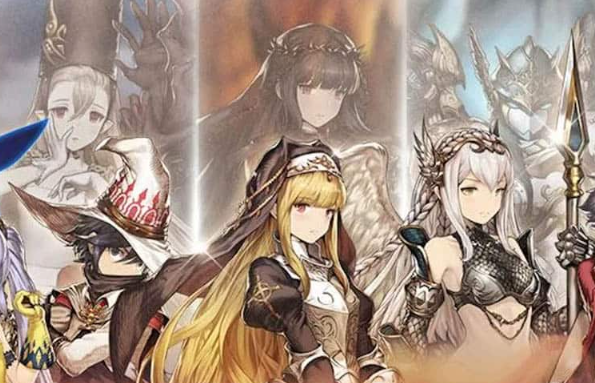
That's why a good Brave Nine tier list needs to consider much more than attack power or rarity. Some mercenaries excel at breaking through defensive formations, others specialize in surviving massive damage, and certain supporters can transform an ordinary attacker into a devastating carry.
There's also an important update for anyone returning in 2026. Brave Nine officially transitioned to an offline standalone version on December 5, 2024. The final client updates concluded its original online service, meaning Arena, Guild War, and other competitive rankings are now historical rather than active online modes. Fortunately, the standalone version includes Free Mode, where players can experiment with mercenaries, formations, and battle settings.
This guide ranks the most notable Brave Nine mercenaries from S to D tier, explains their strengths across all four classes, and explores team-building strategies that were effective during the game's competitive era. I'll also cover beginner-friendly units, equipment upgrades, and how to use these rankings in the preserved offline version.
Whether you're revisiting an old favorite or discovering the game's tactical combat for the first time, the goal is to help you understand which mercenaries work best together and why.
I. Brave Nine Tier List at a Glance
A. Complete Mercenary Ranking Table: Tier, Class, Rarity, and Best Use
Brave Nine eventually featured more than 300 mercenaries, so listing every character in a single table wouldn't be especially helpful. Instead, this quick reference covers the major picks discussed throughout the guide, including Legendary units and accessible lower-rarity alternatives.
| Tier | Mercenary | Class | Rarity Category | Best Use |
|---|---|---|---|---|
| S | Seto | Warrior | Legend | High-pressure damage |
| S | Angelica | Warrior | Legend | Durable enemy elimination |
| S | Edin | Warrior | Legend | Offensive breakthrough |
| S | Lucius | Defender | Legend | Survival and resurrection |
| S | Beliath | Supporter | Legend | Powerful offensive support |
| S | Refithea | Supporter | Legend | Team buffs and protection |
| S | Levia | Magician | Legend | Heavy magical damage |
| S | Nartas | Magician | Legend | Formation-breaking attacks |
| A | Alec | Warrior | Legend | Direct damage |
| A | Valze | Warrior | Legend | Offensive pressure |
| A | Jin | Warrior | 5-star | High-damage attacker |
| A | Granhildr | Defender | Legend | Damage reflection and defense |
| A | Seir | Defender | 5-star | Frontline protection |
| A | Mamonir | Defender | Legend | Specialized tanking |
| A | Venaka | Supporter | 5-star | Offensive buffs |
| A | Veronia | Supporter | 5-star | Carry enhancement |
| A | Velfern | Magician | Legend | Magical area damage |
| A | Celia | Magician | Legend | Crowd control |
| B | Foxy | Warrior | 5-star | Offensive team synergy |
| B | Dalvi | Warrior | 5-star | Specialized damage |
| B | Ventana | Warrior | 5-star | Conditional burst |
| B | Cecilia | Defender | 5-star | Defensive coverage |
| B | Zenith | Defender | 5-star | Target manipulation |
| B | Helena | Supporter | 5-star | Defensive utility |
| B | Michaela | Supporter | 5-star | Offensive support |
| B | Lillian | Magician | 5-star | Defensive magic damage |
| B | Hijin | Magician | 5-star | Magical offense |
| C | Christina | Warrior | 5-star | Specialized damage |
| C | Wilhelmina | Warrior | 5-star | Formation-dependent attacks |
| C | Lecliss | Defender | 5-star | Situational tanking |
| C | Ymir | Defender | 5-star | Durable frontline |
| C | Anubis | Magician | 5-star | Specialized disruption |
| C | Claudia | Magician | 5-star | Control-focused magic |
| D | Underdeveloped early units | Various | 3–5-star | Temporary progression |
These placements emphasize practical team-building value rather than claiming that every character had the same ranking throughout the game's history.
B. Best Overall Mercenaries and Top Picks by Class
If I had to choose a handful of mercenaries to demonstrate Brave Nine's strongest mechanics, I'd start with Seto, Lucius, Beliath, Refithea, and Levia.
Seto represents powerful offensive pressure, while Lucius shows how defensive abilities can completely change a battle. Beliath and Refithea demonstrate the importance of support effects, and Levia offers a way to threaten several enemies through magical damage.
For players interested in straightforward damage, Angelica and Edin remain excellent historical choices.
However, no individual mercenary guarantees victory. A powerful character can become ineffective when placed in the wrong lane or supported by abilities that don't complement their attack pattern.
C. Ranking Scope: Global Version, Update Date, and Upgrade Assumptions
This tier list focuses on the original Global version of Brave Nine and its final competitive-era character roster.
The last major transition occurred in December 2024, with standalone client version 2.61.18 released on December 5 and version 2.61.20 appearing on December 11.
The game no longer receives the regular live-service character additions and PvP balance changes that previously shaped the meta.
Rankings assume that characters have appropriate skill upgrades, companions, runes, and equipment. This matters because a fully developed mercenary can perform very differently from the same character at its starting level.
D. Brave Nine and Brown Dust: Which Game This Tier List Covers
Brave Nine is the international name of the original Brown Dust strategy RPG developed by GAMFS and published by NEOWIZ.
This guide covers that game, not Brown Dust 2 or Brave Nine Story.
Although the games share characters and a broader fictional universe, their combat systems and progression mechanics differ.
For example, an Angelica ranking from Brown Dust 2 shouldn't automatically be used when evaluating Angelica in the original Brave Nine.
II. How the Mercenary Rankings Work
A. Tier Definitions: S, A, B, C, and D
S-tier: Exceptional mercenaries with powerful offensive, defensive, or support mechanics.
A-tier: Strong choices with manageable weaknesses or more specific team requirements.
B-tier: Reliable specialists that perform well against particular formations.
C-tier: Characters requiring favorable matchups or considerable investment.
D-tier: Lower-priority investments for general progression, especially when stronger alternatives are available.
The categories represent practical recommendations rather than official developer rankings.
B. Evaluation Criteria: Damage, Survivability, Support, and Team Synergy
Damage matters, but the attack pattern is equally important.
A mercenary who hits several important targets can be more valuable than one who deals higher damage to a poorly positioned enemy.
Survivability includes HP, defense, immunity, damage reduction, and resurrection mechanics.
Supporters are evaluated through the buffs, protection, and utility they provide.
Finally, team synergy determines whether several characters can combine their abilities into a successful formation.
C. PvP vs. PvE Performance
Historically, Brave Nine's PvP and PvE modes rewarded different strategies.
Arena emphasized countering opposing formations, predicting targeting patterns, and protecting essential characters.
Campaign battles were often more predictable because enemy positions and abilities could be studied before attempting a stage.
Guild War introduced additional defensive and offensive considerations.
In the offline version, these competitive rankings are useful mainly for understanding historical strategies and recreating battles through Free Mode.
D. How Skill Levels, Companions, and Investment Affect Rankings
A character's skill level could dramatically change its effectiveness.
Some mercenaries received additional effects, stronger buffs, or improved survivability after reaching important upgrade thresholds.
Companions were also important because they could unlock additional skill improvements.
Runes and Soul Gear further influenced how characters performed.
This explains why an unupgraded Legendary mercenary could disappoint while a heavily invested four-star unit performed exceptionally well.
E. Why Community Tier Lists Disagree
Brave Nine changed substantially during its live-service years.
A tier list from 2019 might place one character in S-tier, while a ranking from late 2024 could put the same mercenary much lower.
New characters, companions, and upgrades continually changed team-building priorities.
Some rankings also assumed maximum investment, while others focused on accessible characters for free-to-play players.
Whenever two lists disagree, check their dates, upgrade assumptions, and whether they're discussing Arena, campaign progression, or another mode.
III. Overall Brave Nine Mercenary Tier List
A. S Tier: Highest-Priority Mercenaries
Seto, Lucius, Beliath, Refithea, Angelica, Levia, and Nartas are among the strongest historical examples of high-impact mercenaries.
Seto and Angelica provide offensive pressure, while Levia and Nartas threaten enemy formations with powerful magic.
Lucius offers exceptional defensive utility through his resurrection mechanics.
Beliath and Refithea improve the effectiveness of allied characters.
Late-era additions such as Minerva, Enma, Scrime, Lincross, and Sillion also deserve attention when experimenting with the final roster, since older lists often exclude them entirely.
B. A Tier: Strong Picks for Most Teams
Alec, Valze, Jin, Granhildr, Seir, Mamonir, Venaka, Veronia, Velfern, and Celia are strong choices when their skills match the formation.
They may not offer the same universal advantages as the S-tier selections, but they can become extremely effective with the right companions and upgrades.
Alec remains useful for direct offense, while Granhildr can punish attackers through defensive mechanics.
Venaka and Veronia are especially attractive when paired with damage dealers capable of taking full advantage of their buffs.
C. B Tier: Reliable Alternatives and Specialized Units
Foxy, Dalvi, Ventana, Cecilia, Zenith, Helena, Michaela, Lillian, and Hijin belong in the specialized category.
These mercenaries often perform best when selected to solve a specific problem.
Ventana benefits from favorable target conditions, while Zenith can manipulate enemy targeting.
Cecilia provides useful protection, and Michaela contributes offensive support.
Their effectiveness depends heavily on the opposing formation.
D. C Tier: Situational Picks Requiring Specific Teams
Christina, Wilhelmina, Lecliss, Ymir, Anubis, and Claudia represent characters that can be valuable but aren't always the most convenient general-purpose choices.
Christina may contribute useful damage in particular encounters, while Anubis and Claudia offer specialized magical effects.
These characters aren't unusable.
They simply require more careful planning, and some compete with newer units that provide similar advantages more efficiently.
E. D Tier: Lower-Priority Investments
D-tier is best understood as an investment warning rather than a permanent list of useless characters.
Underdeveloped early mercenaries, outdated damage dealers without their important upgrades, and units with highly restrictive conditions usually belong here.
For beginners, spending rare materials on these characters can slow progression.
However, a low-tier mercenary with a particularly useful attack pattern may still solve a difficult stage.
IV. Brave Nine Warrior Tier List
A. Complete Warrior Rankings
| Tier | Notable Warriors |
|---|---|
| S | Seto, Angelica, Edin, Apollo, Iselok |
| A | Alec, Valze, Jin, Ventana, Siegmund, Kaina |
| B | Foxy, Dalvi, Christina, Wilhelmina, Alche, Anastasia |
| C | Eleaneer, Leto, Camilla, Zakan, Ridel |
| D | Poorly upgraded or redundant early attackers |
Warriors generally provide direct offensive pressure, although attack patterns and special mechanics vary significantly.
B. Seto, Alec, and Angelica: Strengths and Limitations
Seto is a strong offensive specialist capable of creating significant pressure against suitable opponents.
Alec focuses on direct damage and can punish targets that aren't prepared for his attacks.
Angelica is particularly interesting because she combines strong offensive potential with defensive advantages.
Her ability to threaten high-HP enemies and resist certain disabling effects made her valuable against defensive compositions.
However, none of these characters should be selected without considering enemy targeting and protection.
C. Edin, Foxy, and Dalvi: Damage and Team Synergy
Edin became a recognizable high-value attacker because of his offensive strength and ability to threaten important enemies.
Foxy is useful for players who enjoy building around powerful offensive combinations.
Dalvi offers a more specialized approach that rewards understanding her transformation-related mechanics and attack opportunities.
The biggest difference between them is consistency.
A powerful attacker may still struggle when opponents have defensive abilities specifically designed to counter its attacks.
D. Jin, Valze, and Ventana: Matchups and Utility
Jin is useful for direct offensive pressure, especially when supported by characters that improve his damage.
Valze offers additional ways to threaten enemy positions.
Ventana rewards matchup knowledge because her effectiveness depends on enemy conditions and targeting.
These are good examples of why a Warrior tier list can't be judged only through displayed attack power.
Knowing who the character attacks is often more important than its maximum damage.
E. Christina, Wilhelmina, and Alche: Alternative Picks
Christina, Wilhelmina, and Alche provide alternatives for players who don't have access to stronger Legendary attackers.
Christina offers specialized offensive effects, while Wilhelmina benefits from careful formation planning.
Alche is particularly interesting as a lower-rarity option.
With appropriate upgrades and support, she can contribute useful damage without requiring the same resources as a premium Legendary mercenary.
F. Best Warriors for Beginners, PvP, and PvE
For historical Arena play, Seto, Angelica, and Edin are useful examples of powerful attackers.
For beginners, an accessible upgraded Warrior may be more practical than an incomplete Legendary character.
In campaign content, prioritize attackers whose targeting patterns match the enemy formation.
A dependable attacker who hits the correct targets will usually contribute more than a powerful unit whose attack is repeatedly wasted.
V. Brave Nine Defender Tier List
A. Complete Defender Rankings
| Tier | Notable Defenders |
|---|---|
| S | Lucius, Orphina, Pyran |
| A | Granhildr, Mamonir, Seir, Arkan |
| B | Cecilia, Zenith, Ludia, Lecliss |
| C | Ymir, Arwen, Gloria, Glacia |
| D | Outdated tanks lacking useful protection |
Defenders generally occupy positions where they can intercept attacks, manipulate targeting, or protect more vulnerable allies.
B. Lucius and Granhildr: Defensive Utility and Team Roles
Lucius is one of Brave Nine's most famous defensive mercenaries.
His resurrection mechanics allow him to survive situations that would eliminate ordinary characters.
Granhildr offers a different approach to defense, making her particularly useful against certain attack patterns through reflection-oriented mechanics.
Both characters demonstrate how defensive skills can matter more than raw HP.
However, specialized enemy attacks and counters can still defeat even the strongest tanks.
C. Seir, Arkan, and Cecilia: Survivability and Matchups
Seir provides a solid defensive option, especially when properly upgraded.
Arkan offers strong survivability but can require substantial investment to perform at his best.
Cecilia contributes defensive coverage and can help protect important areas of a formation.
The best choice depends on the enemy's offensive mechanics.
A tank that performs well against ordinary physical attacks may struggle against abilities that bypass conventional defenses.
D. Zenith and Mamonir: Specialized Team Applications
Zenith is particularly useful when manipulating enemy targeting.
Her defensive utility can help create openings for other characters or redirect dangerous attacks.
Mamonir offers a more specialized form of tanking.
Both characters reward players who understand exactly how the opposing formation selects targets.
Using them without considering the enemy's targeting rules can waste much of their potential.
E. Lecliss, Ludia, and Ymir: Alternative Defensive Options
Lecliss, Ludia, and Ymir provide additional defensive choices.
They can be useful when your strongest tanks are unavailable or when a particular matchup favors their individual mechanics.
Ludia was especially notable in some historical rankings because of her defensive potential.
Ymir offers a durable alternative, although survivability alone doesn't guarantee useful team protection.
A defender must either survive important attacks or prevent allies from taking them.
F. Best Defenders for Arena and Progression
For historical Arena formations, Lucius and Granhildr remain important characters to understand.
Seir and Arkan provide alternatives with different defensive strengths.
During campaign progression, use whichever defender handles the enemy's attack pattern most effectively.
In Free Mode, you can experiment with these characters without worrying about the original recruitment restrictions.
VI. Brave Nine Supporter Tier List
A. Complete Supporter Rankings
| Tier | Notable Supporters |
|---|---|
| S | Beliath, Refithea, Veronia, Stella |
| A | Venaka, Asmode, Floria, Helena |
| B | Michaela, Ceres, Hyeon Wol, Walya |
| C | Mary, Sabrina, Anais, Serendia |
| D | Supporters whose buffs don't benefit the selected team |
Supporters are essential because they improve the performance of other mercenaries rather than relying entirely on personal damage.
B. Beliath, Asmode, and Refithea: Core Support Functions
Beliath is particularly valuable because her abilities can transform the offensive potential of a formation.
Refithea provides powerful team support and has historically appeared near the top of many competitive rankings.
Asmode is unusual because he has offensive applications despite belonging to the Supporter class.
His effectiveness changes considerably depending on skill investment and the type of enemy formation.
These characters demonstrate why support utility should be evaluated through the results it produces, not personal attack statistics.
C. Venaka, Veronia, and Michaela: Buffs and Offensive Synergy
Venaka provides useful offensive support and can improve damage-focused compositions.
Veronia is particularly attractive when building around one powerful attacker.
Michaela also contributes offensive buffs, although her value depends on the selected teammates and upgrade levels.
Support positioning matters because buffs often affect particular targets or areas.
A powerful enhancement means little if it reaches the wrong mercenary.
D. Helena, Stella, and Floria: Team Utility
Helena provides defensive and support-oriented abilities that can improve team consistency.
Stella has historically been valued for strong support effects, especially in compositions that benefit from her particular buffs.
Floria offers another utility-focused option.
These characters become more attractive when your team already has enough damage but struggles to survive or apply that damage consistently.
E. Hyeon Wol and Other Budget Support Options
Hyeon Wol is one of the most useful examples of a lower-rarity Supporter.
As a three-star character, he offered an accessible way for beginners to improve their formation without immediately requiring premium recruitment.
Other budget supports include Arines and Claris.
These characters may not match a maximally upgraded Legendary Supporter, but they can still provide valuable buffs or protection.
For a new player, building a useful budget support is often a better investment than chasing another damage dealer.
F. How to Choose Supporters for Your Damage Dealers
Start by identifying what your main attacker needs.
If the attacker already deals substantial damage but struggles to survive, defensive buffs may be more useful.
If the attacker needs critical hits or additional offensive power, choose a Supporter providing the appropriate enhancements.
Then examine the buff's target pattern and duration.
The best Supporter is the one whose abilities reach the correct allies at the right point in the attack sequence.
VII. Brave Nine Magician Tier List
A. Complete Magician Rankings
| Tier | Notable Magicians |
|---|---|
| S | Levia, Nartas, Enma |
| A | Velfern, Celia, Lillian |
| B | Hijin, Hell, Anubis, Claudia |
| C | Maria, Bathory, Zarka |
| D | Older Magicians with inefficient attack timing |
Magicians often specialize in area damage, powerful status effects, or attacks that threaten unusual parts of an enemy formation.
B. Levia, Nartas, and Velfern: Damage and Targeting
Levia is one of the most recognizable high-damage Magicians.
Her attack capabilities make her dangerous against formations vulnerable to magical pressure.
Nartas offers powerful attacks capable of threatening important enemy positions.
Velfern provides another option for players interested in wide-area magical damage.
These characters become especially dangerous when their attack patterns align with several valuable targets.
C. Lillian, Hijin, and Celia: Utility and Team Fit
Lillian combines magical offense with defensive considerations, making her an unusual option.
Hijin provides magical damage and can become valuable in the right composition.
Celia stands out because of her ability to disrupt opponents.
A character who prevents several enemies from acting effectively may contribute more than someone who only deals direct damage.
This is especially important against defensive formations that survive the initial attack.
D. Hell, Anubis, Claudia, and Maria: Alternative Picks
Hell and Maria were useful lower-rarity options in historical team-building.
Anubis provides specialized magical effects, while Claudia emphasizes control-oriented utility.
These characters can work well when their abilities solve a specific encounter.
However, older Magicians may struggle to match newer Legendary units without extensive investment.
E. Best Magicians for PvP and PvE
For historical PvP, Levia and Nartas were powerful options when supported by suitable formations.
Celia could also provide valuable disruption.
For PvE, choose Magicians according to enemy positioning and attack timing.
A character capable of striking several enemies simultaneously may simplify campaign stages.
However, bosses with specialized defenses may require a different approach.
F. Building Around Magician Attack Timing
Magicians are particularly sensitive to attack order.
Some require additional time before activating their powerful attacks.
If your frontline collapses before the Magician acts, that damage potential becomes irrelevant.
Place defenders where they can protect your spellcaster, and arrange Supporters to apply useful buffs before the attack.
For complicated battles, experimenting with the turn sequence can improve results without changing a single character.
VIII. Best Mercenaries by Rarity and Investment Level
A. Best Five-Star Mercenaries
Among historical five-star recommendations, Seir, Venaka, Veronia, Jin, Foxy, Cecilia, and Lillian deserve attention.
Their usefulness comes from having recognizable roles and practical applications.
Seir provides frontline protection, Veronia improves offensive potential, and Jin offers damage.
However, natural rarity alone doesn't determine how useful a character becomes.
The available companions and upgrades can make a substantial difference.
B. Best Four-Star Mercenaries
Hell, Alche, Ceres, Leto, and Xenon are useful four-star characters to investigate.
Hell provides magical utility, while Alche offers offensive potential.
Ceres is particularly valuable as a Supporter.
These characters generally require less demanding investments than premium Legendary mercenaries.
For beginners, that accessibility can be extremely useful.
C. Best Three-Star Mercenaries
Hyeon Wol, Arines, Claris, Maria, and Carlson are notable three-star options.
Their main advantage is accessibility.
A properly upgraded three-star Supporter can help a team progress while the player saves resources for stronger characters.
Carlson also offers a straightforward defensive option for early gameplay.
These units aren't necessarily intended to remain in every endgame formation, but they can provide valuable early utility.
D. Legendary Mercenaries and Their Investment Requirements
Legendary mercenaries often have exceptional mechanics, but they can require considerable resources.
Characters such as Seto, Lucius, Beliath, and Refithea benefit from appropriate skill levels and companion upgrades.
Later progression systems also introduced higher-rarity Mythic and Exalted mercenaries.
These additions further complicated investment decisions.
An expensive Legendary character without important upgrades could perform worse than a more accessible unit developed to a useful skill threshold.
E. Beginner-Friendly and Free-to-Play Priorities
For historical free-to-play progression, I would prioritize one reliable attacker, a durable Defender, and at least one useful Supporter.
Characters such as Alche, Hyeon Wol, and Claris could provide early value.
As stronger mercenaries became available, players could gradually replace weaker formation slots.
In the standalone version, Free Mode changes the equation because players can experiment with characters and upgrade settings without following the original summoning progression.
F. When an Upgraded Lower-Rarity Unit Is the Better Choice
A fully upgraded lower-rarity character can outperform an incomplete higher-rarity mercenary.
This is especially common when the lower-rarity unit has an appropriate attack pattern or support effect.
For example, a useful Supporter who buffs the correct damage dealer may contribute more than another Legendary attacker.
The goal isn't collecting the largest number of rare characters.
It's making sure the characters you deploy actually work together.
IX. Brave Nine PvP and PvE Tier Lists
A. Arena Tier List: Best Attackers, Defenders, and Supporters
During Brave Nine's online era, Arena rewarded precise formation planning.
Seto, Angelica, and Edin were important offensive threats in various historical metas.
Lucius and Granhildr provided defensive utility, while Beliath and Refithea strengthened entire teams.
However, the final competitive environment also included newer Mythic, Exalted, and Legendary mercenaries.
There is no active November 2026 Arena ladder for the original game.
These recommendations describe historical competitive value rather than current online rankings.
B. Guild War Picks and Matchup Considerations
Guild War required players to examine opposing formations and select suitable counters.
A powerful general-purpose team could still struggle against an opponent whose targeting and defensive mechanics directly countered it.
Specialized characters such as Zenith and Ventana became more attractive when their abilities matched the enemy's formation.
Guild War is no longer an active online feature in the standalone version.
Its strategies remain useful when recreating tactical encounters through Free Mode.
C. PvE Picks for Campaign Progression
Campaign progression often benefits from reliable damage and survivability.
A balanced formation containing Defenders, Supporters, and attackers can handle a wide range of stages.
Characters such as Seir, Alche, Hyeon Wol, and stronger available Warriors can provide a functional foundation.
More difficult encounters may require adjusting attack patterns or replacing a damage dealer with specialized control.
Unlike Arena, campaign enemies generally offer predictable formations that can be studied and countered.
D. Early-Game vs. Endgame Mercenary Value
Early-game progression rewards accessibility and straightforward skills.
Three-star and four-star characters can be excellent investments because they're easier to develop.
Endgame encounters demand more specialized mechanics, stronger upgrades, and better formation planning.
Some high-rarity characters also require companions or important skill improvements before reaching their full potential.
A mercenary that's excellent for early progression isn't automatically the best final investment.
E. When to Use a Specialist Instead of a Higher-Ranked Unit
Sometimes a B-tier or C-tier character is exactly what you need.
If a boss or opposing formation relies on a particular defensive mechanic, a specialized counter can provide more value than a stronger general-purpose attacker.
Likewise, an unusual targeting pattern may allow a lower-tier character to eliminate an otherwise protected enemy.
Brave Nine rewards understanding how characters interact.
Treat tier placement as guidance, not a rule that overrides every matchup.
X. Best Brave Nine Teams and Formations
A. Team-Building Basics: Damage, Defense, and Support Coverage
Brave Nine's core gameplay revolves around deployment, positioning, and attack order.
Players arrange mercenaries across a three-lane battlefield.
Defenders protect important positions, attackers eliminate enemies, and Supporters strengthen the team.
Magicians add area damage and other specialized effects.
A strong formation needs enough damage to win but also enough protection to keep its important characters alive.
B. Beginner Team Composition and Accessible Replacements
For historical beginner progression, a formation could combine Carlson and another available Defender with Alche, Hell, Maria, Hyeon Wol, Arines, and other useful early mercenaries.
The exact lineup depends on unlocked deployment capacity and available units.
As stronger characters become available, replace individual roles rather than rebuilding everything immediately.
For example, Lucius could replace an early tank, while a strong Legendary attacker could take over an offensive slot.
This approach preserves useful support synergy while gradually improving the formation.
C. Arena Team Examples and Mercenary Synergies
A historical high-rarity formation might use:
Seto, Angelica, Levia, Lucius, Granhildr, Beliath, Refithea, Venaka, and Veronia.
The idea is to combine powerful damage dealers with frontline protection and offensive buffs.
This isn't a guaranteed optimal formation. Deployment cost, targeting patterns, skill levels, and support coverage still need to be checked.
An alternative strategy could replace one attacker with Celia for additional disruption.
Free Mode allows players to test these combinations against custom enemy arrangements.
D. PvE Team Examples for Progression
A progression-oriented team should prioritize consistent survival and damage.
One possible approach is using Seir and another Defender to protect Alche, Jin, and a Magician such as Hell.
Supporters such as Hyeon Wol and Veronia can strengthen the damage dealers.
Additional slots can be filled according to the stage's attack patterns and requirements.
Against encounters with heavy area damage, a more defensive arrangement may be necessary.
E. Positioning, Targeting Patterns, and Turn Order
This is where Brave Nine becomes genuinely interesting.
A strong mercenary placed incorrectly can be eliminated before using its abilities.
Similarly, a powerful attack may hit an unimportant target because the character's targeting rules were misunderstood.
Pay attention to front-targeting, skip-targeting, and rear-targeting mechanics.
Supporters must also act at appropriate times.
A buff applied after the primary damage dealer attacks may provide little immediate benefit.
Small adjustments to deployment and attack order can dramatically change the outcome of a battle.
F. How to Replace Missing Mercenaries Without Breaking Team Synergy
When replacing a character, focus on the role it performs.
If you don't have Lucius, use a Defender capable of protecting the same important positions.
If Beliath is unavailable, choose a Supporter whose buffs benefit your main attacker.
If you're missing Levia, select another Magician with a suitable attack pattern.
The replacement doesn't need identical abilities.
It simply needs to preserve the functions required for the formation to work.
XI. Mercenary Upgrade and Recruitment Priorities
A. Which Mercenaries to Build First
During the original online era, upgrading one reliable damage dealer and one useful Supporter was often a sensible starting strategy.
A dependable Defender should follow closely behind.
This gave players enough offensive pressure to clear content while maintaining reasonable survivability.
For new standalone players, the upgrade priorities depend on whether they're using preserved account progression or the customizable Free Mode.
B. New Mercenary vs. Upgrading an Existing Unit
Obtaining a new mercenary wasn't always better than upgrading someone already owned.
A high-rarity character might require several additional investments before becoming useful.
Meanwhile, an existing unit could reach an important skill threshold with relatively few resources.
Before choosing, compare how much the upgrade improves the current team.
If the new character doesn't solve an actual problem, strengthening a familiar mercenary may be more valuable.
C. Prioritizing Skill Levels, Companions, and Awakening
Skill levels are especially important in Brave Nine because additional effects can become available at specific thresholds.
Companions extend certain abilities and help characters reach higher investment levels.
Awakening and equipment improvements contribute further advantages.
However, not every upgrade has equal value.
I recommend examining the character's skill descriptions and identifying which upgrade actually changes its performance.
A useful new defensive effect may matter more than a small numerical damage increase.
D. Balancing Immediate Progress With Long-Term Team Needs
The best upgrade decision depends on your current objective.
If you're stuck on a campaign stage, improving survivability might provide an immediate solution.
If your formation struggles to eliminate heavily protected enemies, upgrading a specialized attacker may be more useful.
In the original live-service game, long-term planning was important because premium resources were limited.
Free Mode now makes it easier to experiment with late-game configurations without following the original recruitment process.
E. Common Resource-Investment Mistakes
One of the biggest mistakes is spreading upgrade resources across too many mercenaries.
Another is investing heavily in a character without checking its targeting pattern or team requirements.
Players also sometimes focus exclusively on damage while neglecting Supporters and Defenders.
Finally, copying an old tier list without checking its version can lead to poor decisions.
A character considered outstanding in 2019 might have been overtaken by newer releases before the final 2024 update.
XII. Frequently Asked Questions
A. Who Is the Strongest Mercenary in Brave Nine?
There isn't one universally strongest mercenary for every historical game mode or matchup.
Seto, Lucius, Beliath, Refithea, Angelica, Levia, and Nartas were among the most influential high-rarity characters across different periods.
Later additions such as Minerva, Enma, and several Exalted mercenaries also affected the final competitive environment.
The strongest choice depends on the battle, upgrade level, and team composition.
B. Which Mercenaries Are Best for Beginners?
For the original progression system, Alche, Hyeon Wol, Claris, Carlson, and other accessible lower-rarity characters provided useful starting options.
A beginner should focus on learning deployment, attack order, and support synergy before prioritizing a full Legendary roster.
In the standalone version, Free Mode makes experimenting with powerful characters much easier.
C. What Is the Best Brave Nine Team?
A strong historical composition could combine Lucius, Granhildr, Seto, Angelica, Levia, Beliath, Refithea, Venaka, and Veronia.
However, there is no guaranteed best formation against every opponent.
Targeting patterns, deployment cost, skill thresholds, and enemy abilities all influence performance.
Experimenting with different combinations is one of the game's main attractions.
D. Which Warriors, Defenders, Supporters, and Magicians Should You Prioritize?
For Warriors, consider Seto, Angelica, Edin, and Alec.
For Defenders, Lucius, Granhildr, and Seir are useful starting points.
For Supporters, Beliath, Refithea, Veronia, and Venaka deserve attention.
For Magicians, Levia, Nartas, Velfern, and Celia provide interesting options.
These recommendations are strongest when the characters have appropriate upgrades and compatible teammates.
E. Are Five-Star Mercenaries Always Better Than Four-Star Units?
No. A fully upgraded four-star mercenary can outperform an underdeveloped five-star unit in the right situation.
Supporters are particularly good examples because their value depends on skill effects rather than raw statistics.
Characters such as Alche, Hell, and Ceres can remain useful even when stronger units are available.
F. Can Lower-Tier Mercenaries Perform Well With Enough Investment?
Absolutely.
Brave Nine's formation and targeting systems allow specialized characters to defeat stronger opponents when used correctly.
Investment helps, but positioning and matchup knowledge remain essential.
A lower-tier character with the exact ability needed to counter an enemy formation can be more valuable than a poorly selected Legendary mercenary.
G. What Is the Difference Between Brave Nine, Brave Nine Story, and Brown Dust 2?
Brave Nine, originally Brown Dust, is the tactical strategy RPG covered in this guide. It transitioned to an offline standalone version in December 2024.
Brave Nine Story was a separate story-focused RPG emphasizing the mercenaries and their narratives. Its online service ended in February 2024.
Brown Dust 2 is a separate RPG with its own combat systems, characters, costumes, equipment, and progression mechanics.
Although the games share a broader universe, their tier lists aren't interchangeable.
H. How Often Should a Brave Nine Tier List Be Updated?
Before December 2024, tier lists needed regular updates because new mercenaries, companions, and balance changes affected the competitive meta.
The original game no longer operates as a live online service, so there is no continuously changing 2026 Arena meta.
For the standalone version, rankings are best treated as historical references and practical suggestions for Free Mode experimentation.
The most useful updates to a guide would therefore come from correcting character mechanics, comparing final-version upgrades, and discovering effective formations rather than reporting nonexistent seasonal balance changes.
The Brave Nine tier list 2026 is best understood as a guide to the game's preserved tactical combat and its historical competitive roster.
Mercenaries such as Seto, Angelica, Edin, Lucius, Beliath, Refithea, Levia, and Nartas remain important examples of powerful offensive, defensive, and support mechanics. However, their effectiveness depends heavily on the formation they're placed in, the companions and upgrades they receive, and the enemies they're facing.
The biggest lesson Brave Nine teaches is that rarity alone doesn't win battles. A carefully positioned four-star character can outperform a poorly deployed Legendary mercenary, while an effective Supporter can improve an entire formation more than another damage dealer.
For beginners, accessible characters such as Alche, Hyeon Wol, Claris, and Hell are useful for understanding the fundamentals. More experienced players can experiment with advanced targeting combinations, resurrection effects, powerful Magician attacks, and unusual defensive strategies.
The transition to offline mode also gives the original game a different purpose in 2026. Instead of chasing a constantly changing Arena meta, players can revisit the story, explore the final roster, and use Free Mode to recreate challenging battles and experiment with mercenaries that were once difficult to obtain.
If there's one thing I'd recommend, it's spending more time understanding attack order and positioning than worrying about whether your favorite mercenary is ranked S or A. Brave Nine rewards careful planning, and even a small adjustment to your formation can completely change the outcome of a battle.
That strategic depth is what made the original Brown Dust memorable, and it's still the best reason to revisit Brave Nine today.