Honor of Kings Characters: A Player’s No-BS Guide to Roles, Meta Picks, and Who You Should Actually Learn
If you’re new to Honor of Kings, the first thing you’ll notice is that the hero pool feels like a buffet that never ends. One minute you’re testing a flashy assassin who deletes people off-screen, and the next you’re getting body-blocked by a tanky menace who refuses to die while their marksman turns you into confetti. That’s the core charm of this game: the characters aren’t just “skins with skills” — they’re entire playstyles. And once you understand what each role is supposed to do (and what it absolutely should NOT be doing), your matches get way more consistent.
Honor of Kings is a flagship mobile MOBA from TiMi Studio Group under Tencent, and it’s also one of those titles that basically lives at “global phenomenon” status. Depending on the source and timeframe, it has been reported at around 100 million daily active users, which is just… absurd scale for a MOBA.
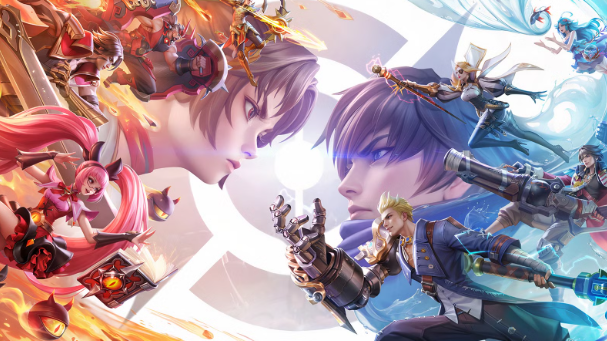
I. Honor of Kings in One Clear Picture (What the Game Actually Is)
Honor of Kings is a 5v5 team MOBA built around lanes, objectives, rotations, and teamfights — the classic recipe — but its pacing is often faster and more skirmish-heavy than some PC MOBAs. The game is primarily on mobile (iOS/Android), and plenty of players use emulators on PC for comfort and controls, which is why you’ll see BlueStacks/LDPlayer/MuMuPlayer mentioned in community discussions and guides.
What keeps it fresh (and sometimes stressful) is how often the game evolves. There are frequent balance updates and seasonal shifts, and community “meta reads” change quickly — especially when high-mobility heroes start dominating a patch cycle, which is a pattern you’ll see repeatedly across seasons.
II. The Six Role Classes (And the Mistakes That Lose Games)
Honor of Kings characters are usually grouped into six main roles. These roles aren’t just labels — they’re job descriptions. You can absolutely flex heroes into weird positions (and the game encourages it), but if you don’t understand the default job, you’ll end up doing the wrong thing at the wrong time.
1) Fighter (Bruiser)
Fighters are the “I can scrap all day” characters. They’re built to trade, hold space, and threaten backlines without instantly evaporating. The best fighters feel like a boulder rolling downhill — not always the fastest, but once they’re in your face, it’s a problem.
2) Tank
Tanks are the team’s spine. Their job is to start fights, absorb cooldowns, and control space. A good tank doesn’t just stand there; they decide where the fight happens and who gets to move.
3) Assassin
Assassins are the “delete button,” but with a catch: they typically require timing, angles, and discipline. The #1 assassin mistake is going in first and dying instantly like you’re donating gold to charity.
4) Mage
Mages are usually your wave clear + teamfight pressure. Some are bursty pick machines, some are sustained AoE monsters. Mid lane mages also tend to control the tempo because they can rotate first if they clear fast.
5) Marksman
Marksmen are sustained DPS carries. You usually protect them early, and they repay you later by turning teamfights into shooting galleries. Marksman players lose games by getting bored and stepping forward “just to poke.”
6) Support / Roamer
Roamers are not “the poor role.” A strong roamer can decide the game by controlling vision, enabling picks, and keeping carries alive. In coordinated play, supports become terrifying because they amplify teammates’ strengths and cover weaknesses.
III. Lane Positions (Where These Characters Actually Live)
Honor of Kings uses a lane setup that maps cleanly to roles:
Clash Lane (Top): bruisers, duelists, tanks who can survive 1v1 pressure
Mid Lane: mages and roam-heavy playmakers (often the rotation hub)
Farm Lane (Bot): marksmen + a support/roamer babysitting early
Jungle: assassins/fighters who gank and secure objectives
Roaming: supports who leave lane constantly to influence the map
If you’re trying to learn characters efficiently, here’s the mindset shift that helps: lane is a lifestyle. Jungle is about tempo and timing; mid is about wave management and rotations; farm lane is about safe scaling; roam is about information and initiation.
IV. “Origin” Groups and Why They Matter (But Don’t Trap You)
One of the coolest things about Honor of Kings characters is how they pull inspiration from different legends, cultures, and storylines. In practice, this mostly impacts theme, identity, and skins — but it also helps players remember kits and archetypes.
You’ll see heroes tied to Three Kingdoms-inspired factions (Wei/Shu/Wu), Great Wall guardians, academy-style scholar groups, and cross-cultural characters adapted for the roster. Many community “character overview” resources also categorize heroes by these identities, which is handy when you’re learning who’s who.
V. Playstyle Archetypes (Pick the One That Matches Your Brain)
This is the part most tier lists skip, but it matters more than raw “strength.”
Hyper-carries:
These are the “if I get to late game, I become the final boss” picks. They’re usually marksmen (or scaling fighters) that require protection and patience.
Burst assassins:
They win by deleting priority targets before a fight even starts. If you love flanks, fog-of-war mind games, and fast hands, this is your lane.
Crowd-control specialists:
They win by turning enemy movement into a suggestion. They thrive in coordinated fights and objective setups.
Utility enablers:
Supports who make your best player unstoppable. If you enjoy enabling and macro, this is the power fantasy.
Map controllers:
Characters that warp rotations, punish side lanes, and force enemy mistakes. These heroes feel like playing chess while others play checkers.
VI. S-Tier Meta Dominators (Why They Feel “Unfair” When Played Right)
Let’s be real: every patch has a handful of characters that feel like they’re playing a slightly different game. This section follows your outline’s spirit: game-defining powerhouses. The exact ordering changes, but the reasons they’re strong are usually stable: mobility, tempo, safety, and how much value they create without needing perfect conditions.
Lam (Assassin/Fighter, Jungle)
Lam is one of those heroes that punishes sloppy positioning instantly. In the jungle, that’s deadly because jungle already decides the pace of the map. What makes Lam scary isn’t only burst — it’s how quickly he converts a small lead into a whole map collapsing. If Lam gets ahead, your lanes start feeling like they’re not allowed to walk past the river.
In community meta trackers, Lam frequently shows up as a high-priority jungle pick in periods where mobility and fast tempo dominate.
Feyd (Assassin/Fighter, Jungle)
Feyd (and heroes like him) is the “mechanics enjoyer” pick: strong sustain patterns, strong skirmish potential, and a kit that rewards you for understanding walls, angles, and timing. If Lam is the “snap decision” assassin, Feyd is the “calculated outplay” assassin.
In tier list discussions from major gaming outlets, Feyd often appears among top jungle considerations when played by experienced mains.
Loong (Marksman, Farm Lane)
Loong is the classic “protect me and I will end the game” marksman vibe. In matches where teams peel properly, Loong becomes disgusting in late teamfights — the kind where you blink and your frontline is gone. The tradeoff is early vulnerability: if your support roams too far and your jungle forgets you exist, you’ll feel it.
Loong is commonly included in top-lane carry discussions for farm lane in community and media tier lists.
Daji (Mage, Mid Lane)
Daji is the kind of mage that makes mid lane feel easy when you’re ahead and stressful when you’re behind. Her strength is reliability: she can contribute to picks, punish squishies, and remain relevant in messy fights. In solo queue, that consistency is gold because you can’t always rely on perfect setups.
Yaria (Support, Roaming)
Yaria represents something newer MOBA players don’t always respect: supports that turn a teammate into a raid boss. A good Yaria doesn’t just “save” someone — she amplifies the carry’s ability to take fights they shouldn’t be allowed to take. In coordinated play, supports like this become draft-warping.
Yaria appears in many higher-level roamer discussions because of how hard she can enable farm-lane carries and snowball fights.
Mai Shiranui (Mage/Assassin, Roaming)
Mai is one of those “tempo queens” — always moving, always threatening, always forcing reactions. When played well, she creates a feeling that your team is constantly late to everything. Roaming assassins/mage-hybrids like this are often prioritized in fast-tempo metas because they punish slow rotations.
Mai Shiranui is frequently mentioned as a top-impact pick in tier list coverage and meta commentary.
Da Qiao (Support, Roaming)
Da Qiao is the macro enjoyer’s dream. Portals and reposition tools break the “normal rules” of movement, and that means she can create plays that don’t exist for other supports: surprise collapses, emergency escapes, and nasty objective setups.
She shows up constantly in discussions about high-impact supports because macro utility scales with team skill — the better your team is, the stronger she becomes.
Musashi (Assassin/Fighter, Jungle)
Musashi is the duelist who turns skirmishes into highlight reels. He thrives when you understand cooldown tracking and spacing. He’s also one of those heroes that stays relevant across metas because mobility + duel strength are always valuable in jungle.
Sun Ce (Fighter/Tank, Jungle or Clash)
Sun Ce’s defining trait is pressure. He’s a tempo pick: he shows up, forces fights, and makes side lanes feel unsafe. If you like initiating and bullying rotations, he’s your guy.
VII. A-Tier Characters (Reliable Specialists Who Win Games)
A-tier is where I’d tell most players to live, honestly. These heroes are strong, flexible, and usually less banned — meaning you actually get to play them.
Arli (Marksman)
Arli is for the marksman player who wants outplay tools. She can look invincible when piloted well and absolutely tragic when piloted poorly. High ceiling, high reward.
Arke (Assassin)
Arke is the snowball assassin fantasy: get a reset, chain kills, escape, repeat. The weakness is also obvious: coordinated enemies who track you and don’t give free resets.
Augran (Fighter, Clash/Jungle)
Flex heroes are draft gold. Augran is valuable because being able to swap lanes based on team needs is a massive advantage in ranked.
Fatih (Fighter, Clash)
This is the “I refuse to die” bruiser vibe. Anti-heal hurts him, sure, but if you pick him into the wrong enemy comp, he becomes a walking disaster for them.
Gan & Mo (Mage)
This is a skillshot mage that rewards accuracy. If you like artillery and zoning, you’ll love them. If you hate missing, you’ll hate your life.
Consort Yu (Marksman)
High skill expression. She rewards timing and spacing — and punishes panic.
Mi Yue (Mage/Fighter)
Mi Yue is an “I’m going in, but you can’t touch me” kind of hero when played right. Untargetable windows are always powerful, and she uses that concept to bully lanes and dive backlines.
Dun (Fighter/Tank)
Dun is the reliable frontliner you pick when you want your team to have a stable fight foundation. He’s not always flashy, but he makes your team function.
Yuhuan (Mage/Support)
Yuhuan is one of those hybrids that makes enemies rage because she contributes damage while also keeping her team alive. When hybrid heroes are tuned well, they’re always high value.
VIII. B-Tier Characters (Situational, But Not “Bad”)
B-tier in Honor of Kings often means one of two things:
the hero is strong but needs the right matchup or comp, or
the hero is fine but the meta isn’t currently built for their strengths.
Garo (Marksman)
Garo is a zone-control marksman who loves structured fights around objectives. If your games are chaotic and constantly scattered, she can feel awkward. If your team plays around Lord and tight corridors, she can pop off.
Shi (Mage)
Skillshot accuracy matters. Miss, and you’re a decorative lamp post. Hit, and you’re a nightmare.
Kui (Support)
Kui is amazing in the right fight geometry — narrow spaces, grouped enemies, melee-heavy comps. Against high mobility and poke, he can feel like he’s always arriving late.
IX. How Tier Lists Are Actually Built (And Why Yours Might Look Different)
Most tier lists weigh some mix of:
Win rate (how often a hero wins)
Pick rate (how often people choose them)
Ban rate (how scared players are of them)
Pro viability (tournament presence)
Matchup coverage (how blind-pickable they are)
Community meta pages that track win rates and rankings show how volatile “strength” can be across patches, because numbers shift when items, matchups, and rotations change.
Also: pro play is its own universe. In coordinated teams, macro supports and utility picks become monsters because teammates actually follow up.
X. Lane-Specific Tier Thinking (Because “Overall Tier” Lies)
Here’s how I recommend thinking about power:
Clash Lane: who wins lane without needing babysitting, and who becomes useful in teamfights
Mid: who clears fast and roams, and who actually contributes in objective fights
Farm: who scales safely and survives dives
Jungle: who controls tempo and secures objectives reliably
Roam: who creates picks, saves carries, and enables rotations
A hero can be “S-tier” in one lane and “meh” in another because their kit’s value changes with gold access, rotation needs, and matchup frequency.
XI. Meta Evolution (Why Mobility Keeps Winning)
If you’ve played even a few weeks seriously, you’ve probably felt it: metas often lean toward fast tempo and mobility because mobility creates options. Options create pressure. Pressure creates mistakes. And mistakes create wins.
Season updates and patch discussions frequently highlight hero adjustments and reworks that aim to keep the meta fresh — sometimes by buffing underused kits, sometimes by toning down oppressive ones.
My advice as a player: don’t marry a tier list. Marry a playstyle. If your playstyle is built around mobility and proactive map play, you’ll stay relevant longer even when hero rankings shuffle.
XII. Team Composition and Synergy (The Part That Actually Wins Ranked)
A good team comp usually has:
1 reliable engage/frontline
1 main sustained DPS carry
1 burst threat or secondary damage
1 support/roamer that enables fights
1 flex that patches weaknesses (anti-dive, extra CC, extra wave clear)
Some classic synergy logic:
Carry + enabler support (protect and amplify the late-game damage)
Assassin + CC setup (someone locks them down, assassin deletes them)
Macro support + scaling comp (avoid losing early, win with smarter rotations later)
This is why supports like Da Qiao and Yaria can be “more S-tier” than damage dealers in coordinated contexts: they make the whole team play better.
XIII. Hero Acquisition and Progression (How F2P Players Build a Real Pool)
One reason Honor of Kings stays friendly is that you can steadily unlock heroes through play, events, and progression systems — you don’t need to whale just to have functional picks. Community guides and character lists frequently emphasize how broad the accessible roster is in the global version.
If you’re new, don’t aim to own everyone. Aim to own answers:
a safe mid mage
a dependable frontline
a comfort marksman
one jungle you can pilot under pressure
one roamer you can blind pick
XIV. Skill Ceiling Reality Check (What You Should Learn First)
Low floor, high ceiling (great long-term mains):
Lam-style jungle picks (simple idea, deep mastery)
tempo roamers like Mai Shiranui
mobile marksmen like Consort Yu/Arli
High floor, high reward (expert picks):
artillery skillshot mages like Gan & Mo
precision-heavy poke mages
Low floor, reliable (best for climbing early):
sturdy frontliners like Dun-style kits
straightforward supports that provide obvious value
The honest rule: a mastered A-tier beats an unmastered S-tier in ranked more often than people want to admit.
XV. Esports Context (Why “Pro Meta” Feels Different)
Honor of Kings has serious competitive infrastructure. International events have featured large hero pools and major prize money, and that pro environment shifts value toward coordination-heavy picks — especially macro supports and high-control initiators.
In pro matches, the best heroes are often the ones that:
start fights on command
deny enemy engages
control objectives consistently
scale reliably without risky coinflips
That’s why heroes like Da Qiao-style macro supports are so respected: coordination turns their utility into guaranteed value.
XVI. FAQ (The Stuff People Ask Every Day)
“Who is the strongest character?”
There isn’t a single “strongest” that applies to every player. In many metas, high-impact roamers and tempo junglers feel the most oppressive because they influence the whole map. For pure carry fantasy, scaling marksmen can feel strongest when protected.
“Can lower-tier heroes win games?”
Absolutely. Draft and execution beat tier labels constantly. If your B-tier pick counters their comp and you understand your job, you’re favored.
“How often does the meta change?”
Often. Between seasonal shifts, balance tweaks, and pro trends, “top tier” can rotate quickly, and community trackers regularly reflect that movement.
“How many heroes should I learn?”
Start with 3–5 heroes per role you actually play. Depth > breadth, especially in ranked.
XVII. My Practical “Climb” Advice (If You Only Remember One Section)
Pick one role to main, one role to secondary. Don’t try to be a five-role superhero on day one.
Build a pool around jobs, not favorites: wave clear, engage, peel, burst, scaling.
Learn how to win with your hero:
what does your hero want at minute 2? minute 6? minute 12?
what fights do you love, and what fights do you avoid?
Stop blaming teammates for everything (I know, I know). Start asking:
“Did I rotate at the right time?” “Did I fight on a power spike?” “Did I show on the map when I shouldn’t?”
That’s how you actually climb.
The reason honor of kings characters are so addictive to learn is that every hero is basically a different gameplan. Some heroes win through mechanics and outplays, some win through macro pressure, and some win by enabling the one teammate who’s having the game of their life. The meta will always move — mobility-heavy seasons come and go, patch tweaks change who’s trendy, and pro play constantly reminds us that utility can be more valuable than raw damage.
If you want the simplest recipe for improving, here it is: master a small pool, understand your job, draft for synergy, and respect rotations. Tier lists can point you in the right direction, but they won’t play the match for you. In Honor of Kings, the scariest character in the lobby usually isn’t the “S-tier hero” — it’s the player who knows exactly what their character is supposed to do, and does it every single fight.