Civilization: Eras Allies — The Real Player’s Guide to Civ Picks, Heroes, and Alliances (No-Fluff, Actually Useful)
If you’re here because you typed “Civilization: Eras Allies” into search and got a soup of half-correct info, yeah… same. When I first jumped in, I expected something close to Civ VI vibes, but on my phone. What I actually got was a mobile-first 4X social strategy game where the real endgame isn’t “build pretty cities,” it’s timing your era pushes, optimizing hero lineups, and not getting clowned in alliance politics.
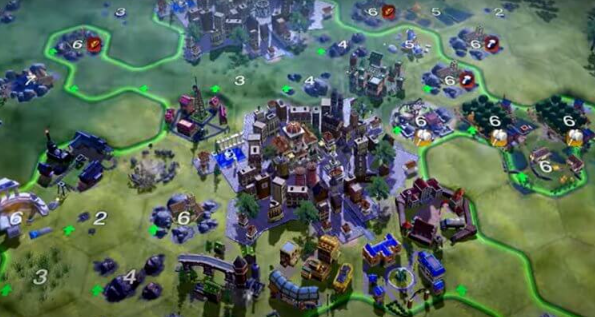
I. Introduction & Game Overview
A. What is Civilization: Eras & Allies, really?
At its core, Civilization: Eras & Allies is a free-to-play mobile 4X social strategy game under the Civilization brand, built around real-time map play, tile control, and alliance competition. It’s not trying to replace “mainline Civ.” It’s its own thing, with its own economy and seasonal pacing.
The loop feels like this:
You build and upgrade a city hub
You capture tiles for resources
You research tech to push eras
You recruit and build heroes
You join an alliance because solo life is basically hard mode
You fight other players and AI guards for territory
B. Platform availability (and the emulator reality)
Officially, this is a mobile game (Android in limited territories during soft launch). Emulators can be convenient, but they’re not directly supported, and you can run into performance or gameplay issues.
My player take: if you’re using an emulator, do it for comfort (bigger screen, easier control), not because you think it’s “the PC version.” It’s still the same mobile experience, just routed through a workaround.
C. Core gameplay loop (what you do every day)
Your daily rhythm usually becomes:
Burn action points on capturing resource tiles
Run missions (because missions quietly carry your economy)
Push quests (Origin chapters matter a lot)
Upgrade buildings and tech
Recruit heroes (when your currency allows)
Join alliance activities if you want to stay competitive
The game rewards consistency more than 12-hour grind marathons. Missing a day isn’t the end, but missing a week puts you behind the alliance pace.
D. Nine civilizations and what “unique” actually means
The game’s civilizations are not cosmetic. Each one comes with:
Abilities/passives that shape your economy or war tempo
Civilization-specific tech/recruiting flavor (the “identity” layer)
The trap beginners fall into is picking a civ because it “sounds strong,” then realizing the bonuses don’t match how they actually play.
E. Hero recruitment system (why heroes matter more than you think)
Heroes are not optional spice. They’re the engine. You recruit heroes via in-game systems like Gold Recruit and Silver Recruit, and you build armies around their skill kits and traits.
And yes—duplicates matter too. The game literally tells you to use duplicates to ascend and gain extra stat points, so don’t treat dupe pulls like “wasted rolls.”
F. Alliance mechanics (the real game inside the game)
Alliances aren’t just a chat group. They’re how you:
Survive pressure from bigger groups
Access alliance stores and alliance-driven resources
Participate in wonders and diplomacy
Actually hold territory long-term
If you stay solo, you can progress… but you’ll feel like you’re biking uphill in mud.
II. Civilization Selection & Unique Abilities (Picking Your “Forever Personality”)
This part matters because you can switch civilizations, but it comes with timing/cooldown decisions and strategic trade-offs. (In practice, switching is a tool, not a lifestyle—you don’t want to be changing every time you feel bored.)
Below are player-style breakdowns using common community-understood identities.
A. Beginner-friendly civilizations (steady growth, fewer regrets)
Egypt (resource momentum civ)
Egypt is one of those picks that makes the early game feel smooth because it leans into resource improvement and steady production tempo. A common example ability players cite is Pyramids, which boosts development of key resource tiles/buildings—basically, it helps you stop feeling poor.
My experience vibe: Egypt is the civ you pick when you don’t want to gamble your early game. You’ll still need good heroes, but Egypt helps you keep upgrades rolling without that “I’m stuck waiting for stone” feeling.
America (map control + harvesting efficiency)
America tends to be positioned as “expansion and harvesting convenience.” Community documentation often references perks like daily deforestation/harvest-style advantages (basically making early map shaping faster).
My experience vibe: America is for players who enjoy the map layer—scouting, expanding, setting up resource lanes—more than constant fighting.
B. Military-focused civilizations (fight more, recover faster, snowball wars)
Germany (training economy + recovery tempo)
Germany is the classic aggressive pick: cheaper training, faster replenishment, and “keep fighting” momentum. You’ll see abilities like Emergency Mobilization referenced in civ breakdowns, which lines up with the identity: Germany wants you to stay in the war loop instead of pausing every time you take losses.
My experience vibe: Germany feels amazing if you’re active and you like coordinated pushes. If you’re casual, Germany can feel like owning a sports car you only drive to the grocery store.
Greece (early militia pressure + aggression)
Greece is usually described as a war-forward civ that leans into militia and aggression. If you’re the type who wants to “bully nearby tiles early,” Greece is that energy.
C. Economic and tech specialists (win by out-scaling)
China (economy engine + action efficiency)
China often gets positioned as a long-term scaler—strong economy tempo, solid research pathing, and advantages that reward planning.
Korea (siege and tech leaning)
Korea is usually described as a civilization that can feel “quiet” early but ramps hard once you’re doing structured pushes and sieges.
My player warning: tech civs are great, but only if you don’t fall into the trap of researching everything and building nothing. You still need troops and tile control, or your beautiful science lead becomes “congratulations, you researched your way into losing territory.”
D. Specialized playstyle civilizations (niche, but scary in the right hands)
England (expansion tricks + PvP map pressure)
Often framed as a civ that loves expansion tempo and positioning. In practice, England feels like it rewards players who are good at reading the map, not just stat-checking enemies.
France (defensive fortress identity)
France is for the turtle-lords. If your dream is “I want a base that makes people sigh when they look at it,” France is the kind of civ identity that fits.
Japan (balanced production identity)
Japan is frequently framed as a “balanced” civ—solid production rhythm, stable growth, adaptable play.
III. Hero System & Tier List (The Part Everyone Actually Cares About)
Let’s be honest: most of us don’t pick a civ and then lovingly roleplay history. We pick a civ, then we stare at heroes like, “Okay, who carries me?”
A good way to think about heroes is:
You don’t just want strong heroes.
You want heroes that make your armies coherent: damage, sustain, control, and tempo.
The community tends to tier heroes because some kits just scale better across seasons and fights. Tier lists vary, but you’ll see repeated names in the “top” conversations.
One example tier list breakdown (community guide style) includes S-tier names like Richard I and Qin Shi Huang, with other high performers frequently discussed depending on role.
A. Hero categories (how you should think, not just labels)
From playing, the categories that actually matter feel like:
ATK / Damage heroes: win fights by deleting units
INT / Control heroes: win fights by disabling, debuffing, or controlling tempo
Healing / Sustain heroes: let you keep fighting and not collapse mid-fight
Buff / Support heroes: turn your “good army” into a “why is this army immortal?” situation
The official FAQ also emphasizes that heroes have skill progression mechanics, action point limits, and training XP constraints tied to chapter caps—so early progression isn’t just “grind forever,” it’s “push chapters so your leveling ceiling moves.”
B. Hero bonds and synergy (the secret sauce)
Even if you pull a strong hero, you still want synergy. In practice, synergy happens through:
matching roles (damage + sustain + control)
pairing kits that trigger each other
building around “army trait” identity
The FAQ’s “Army Traits / Formations” explanation is basically the game admitting: skill combinations create trait leanings, and trait matchups matter (damage counters survival, survival counters control, control counters damage).
That’s not just flavor text—once you start fighting real players, you’ll feel it.
C. Hero development (what players mess up early)
New players usually do one of these:
Spread Training XP across too many heroes
Level heroes without upgrading skills
Ignore the chapter cap and wonder why they “can’t upgrade”
The game literally tells you hero level caps are tied to Origin chapters, and you can’t brute-force past them.
My advice: pick 1–2 main heroes and 1 support hero and hyper-invest early. You can widen later.
IV. Resource Management & Acquisition (How Not to Be Broke Forever)
This is the section that turns “I’m having fun” into “I can actually compete.”
A. Premium and core currencies (how they behave in real life)
From a player perspective:
Gold feels like the “do stuff now” currency
Silver feels like the “grind and scale heroes slowly” currency
Any premium currency layer (diamonds-type) should be treated like a long-term resource unless you’re spending
Recruitment systems referenced in the FAQ include Gold Recruit with free/discount pulls and a guaranteed 5-star after a set number of recruits, and Silver Recruit as a main source for lower-star heroes and skill XP loops.
B. The real resources you will constantly be short on
In actual play, the resource pressure points are:
Production (everything needs it)
Science (era push gating)
Stone/Iron (build vs. war tug-of-war)
Food (training and sustaining tempo)
My practical rule: if you’re waiting on something, it’s usually because your tile control is inefficient. The map isn’t just “where fights happen.” It’s your economy.
V. Technology Tree & Era Progression (How the Game Measures Your “Power”)
Eras aren’t just “time passing.” Eras are:
new unit tiers
stronger armies
better buildings
new strategic options
A. The mistake: rushing eras with a weak foundation
A lot of players sprint tech because it feels like progress. Then they realize:
they can’t support the new unit costs
they don’t have enough tile control
they get bullied by alliances with better fundamentals
Era pushing is strongest when your production and science are both stable—otherwise you’re upgrading into poverty.
B. The smart approach: era timing like a wave
Try thinking like this:
Consolidate tiles/resources
Upgrade core buildings
Build army strength + hero skill levels
Push era when you can immediately capitalize (new units/buildings)
That way, your era upgrade is a power spike, not just a shiny label.
VI. City Management & Building Strategy (What to Build First Without Overthinking)
City building in this game is less “SimCity” and more “engine tuning.”
A. Early game priorities
Resource buildings first
Research/tech support next
Military training support once you can sustain losses
Housing/pop only when you’re bottlenecked
If you feel like “I can’t do anything,” it’s almost always because you built too many nice-to-have buildings before your resource engine was stable.
B. Mid-game: specialize instead of collecting everything
Once you hit the phase where you have multiple upgrade options, you should stop asking:
“What do I want?”
and start asking:“What do I need for my next era push or alliance objective?”
That mental shift is how you stop wasting days on upgrades that don’t move you forward.
VII. Army Composition & Combat Mechanics (Real-Time Fights, Real Consequences)
A. Army structure as players actually use it
The “best” army isn’t the one with the highest number. It’s the one that:
has a clear trait identity
has synergy between hero skills
matches the fight type (tile guard, player army, siege, etc.)
Also: hero AP is real. If your hero’s AP drops too low, you can’t capture or attack tiles until you recover. That single mechanic makes activity scheduling matter more than you’d think.
B. Trait matchups (damage vs survival vs control)
If you’re getting stomped by someone with similar power, it’s often trait mismatch. The game spells out the counter triangle:
Damage counters Survival
Survival counters Control
Control counters Damage
That means you can win “uphill” fights with better composition even if your raw power is lower.
VIII. Alliance Mechanics & Cooperative Play (AKA: Politics, But With Catapults)
If you only read one section, honestly read this one.
A. Why joining an alliance early is basically mandatory
The game’s own FAQ literally tells new players to join an alliance early for protection, resource advantages, and guidance.
And from player experience? That’s not “friendly advice.” That’s “this is how the game is designed.”
B. Alliance Store and Prestige (the “quiet advantage”)
Alliance Store items refresh daily, and you buy them using Alliance Prestige—which leaders get by completing Wonder Quests or donating resources.
Translation: good alliances build a passive advantage over time, and it compounds.
C. Wonders (big projects that actually matter)
Wonders come in two types:
Alliance Wonders (built by alliances, provide broad benefits)
Natural Wonders (map features with special value)
Wonders are the kind of thing you don’t “feel” at level 5, but at mid/late stage, alliances with wonder momentum start feeling like they’re playing a different game.
D. Diplomacy between alliances (yes, there’s a timer)
Diplomacy is not instant: one alliance leader requests it, the other accepts, and then there’s a 6-hour wait for it to take effect. Ending leagues also has cooldown rules.
Player reality: diplomacy is half strategy, half “can your leaders communicate like adults.”
IX. Game Modes & Progression Activities (What You Do Besides Clicking Tiles)
The game pushes you through quests and missions for a reason:
they unlock systems
they move your chapter cap
they provide consistent rewards
The FAQ also points out that seasons exist, and some content resets after season cycles, with rewards tied to rank at season end.
So yeah, if you’re playing like it’s a one-time campaign, you’ll be confused when the season layer shows up and suddenly everyone’s acting sweaty.
X. Beginner Tips & Early-Game Strategy (First Hours That Prevent Week-Long Regrets)
Here’s the starter checklist I wish I had:
Follow Origin quests like they’re GPS
Because they unlock systems and raise your hero growth ceiling.Capture tiles near your city first
Long marches waste time, and early “efficiency” beats “ambition.”Invest in one main army
Don’t build three weak armies. Build one army that actually wins fights.Don’t ignore hero skills
A level 20 hero with trash skills is still a bad hero.Join an alliance before you feel like you “deserve it”
You’ll learn faster and lose less.
XI–XVI. Mid-Game, Late-Game, Switching, Patches, and Meta (How Players Stay Relevant)
I’m going to be straight with you: the “meta” in a social strategy game isn’t just balance patches. It’s:
what alliances are dominant in your region
what compositions people spam
what diplomacy blocks exist
what wonders are completed
Civilization switching (what players do in practice)
Switching civ can be powerful, but treat it like:
“I’m switching for a strategic phase”
not“I switch because I’m bored”
If your alliance is about to siege or defend a key area, switching at the wrong time can be a self-inflicted nerf.
Meta evolution
Even without huge patch swings, the meta changes because:
new alliances rise
leaders change tactics
players discover new synergy lines
seasons reset pressure points
So the best habit is not “find one build forever,” it’s “understand why your build works.”
XVII. Platform & Optimization Notes (Mobile First, Everything Else Is Optional)
Officially:
the game is mobile-first
emulator use is not directly supported
early access regions have been limited and expanded over time
Player advice:
prioritize stable performance over fancy settings
don’t blame “balance” for what is actually device lag
if you’re on emulator, expect weirdness sometimes and don’t be shocked
XVIII. Community Resources (How Players Actually Learn Fast)
The best learning sources are usually:
active alliance Discords
community wikis (for civ abilities, hero lists, mechanics)
players who document what works in real wars
One of the most useful things you can do is join an alliance with at least one “teacher”—someone who enjoys explaining why things work, not just barking orders.
Conclusion
If you’re choosing how to play Civilization: Eras Allies, here’s the honest truth from the player side:
Civilization choice shapes your tempo, but it doesn’t “play the game for you.” Egypt/America tend to feel smooth early; Germany/Greece reward aggression; France/England/Japan feel more style-specific depending on your personality.
Heroes matter more than civilization once fights become real. A strong hero core with good synergy will outperform a “perfect civ pick” with scattered investment.
Alliances are the real progression system. The alliance store, wonders, and diplomacy mechanics create compounding advantages you simply don’t get solo.
There is no single “best” path—but there is a best decision for your playstyle: aggressive war tempo, defensive turtling, economy scaling, or balanced growth.
My final recommendation framework (quick and practical)
If you want the smoothest start: pick a resource/expansion-friendly civ (Egypt/America style).
If you want to fight constantly: pick a war civ (Germany/Greece style).
Build one main army around 1–2 core heroes + one support.
Join an alliance early and learn their rhythm.
Treat tier lists as guides, not religion—synergy and timing win wars.
And the most important one:
Pick the style you’ll actually enjoy logging in for. Because in a game like this, consistency beats “perfect theorycrafting” every time.